
Quick Answer
Home remedies for cavity pain can help calm soreness for a short time, but they won’t stop decay or repair the tooth. The safest options are saltwater rinses, diluted clove oil, a cold compress, and a few gentle at-home measures that reduce irritation while you arrange professional dental care.
Cavity pain usually shows up at the worst time. It might hit during dinner, wake you up at night, or start throbbing when the office is already closed. If you need relief right now, these managing tooth pain naturally options can help you get through the next few hours more comfortably.
From a dentist’s perspective, some home remedies for cavity pain are reasonable short-term tools, and some are more trouble than they’re worth. The key is using methods that soothe the area without burning the gums, trapping debris, or delaying treatment longer than you should.
1. Saltwater Rinse
A warm saltwater rinse is usually the first thing I’d suggest for mild cavity discomfort. It’s simple, low-risk, and useful when food particles are packed around a sore tooth or the gum nearby feels irritated.

Mix about ½ to 1 teaspoon of salt into 8 ounces of warm water. Swish gently for about 30 seconds, then spit it out. Warm matters here. Hot water can make an already sensitive tooth feel worse.
How to use it well
Use it after meals if the tooth tends to ache when food gets caught. A parent might use it to help a child with a sore molar before a visit, or an adult at work might rinse in a break room bathroom to settle things down enough to finish the day.
A few practical points make it work better:
- Use warm, not hot, water: Heat can trigger a painful tooth.
- Rinse gently: Aggressive swishing can irritate tender tissue.
- Repeat consistently: Two to three times daily is reasonable for short-term relief.
- Spit it out completely: Saltwater is a rinse, not something to swallow.
Practical rule: If the pain comes with facial swelling, trouble opening your mouth, or you can't sleep because of it, skip the wait-and-see approach and review these signs you need an emergency dentist right away.
What it does well is reduce irritation and help keep the area cleaner. What it doesn’t do is numb a deep cavity or solve pain coming from the nerve inside the tooth. If rinsing helps only briefly and the pain returns quickly, that usually tells me the tooth needs more than home care.
2. Clove Oil Application
Clove oil is one of the few home remedies for cavity pain that has a real clinical role. It comes from the Syzygium aromaticum plant and contains eugenol, which appears at a concentration of 70 to 90 percent and is known for anesthetic, anti-inflammatory, and antibacterial properties, according to Healthline’s review of home remedies for toothache.
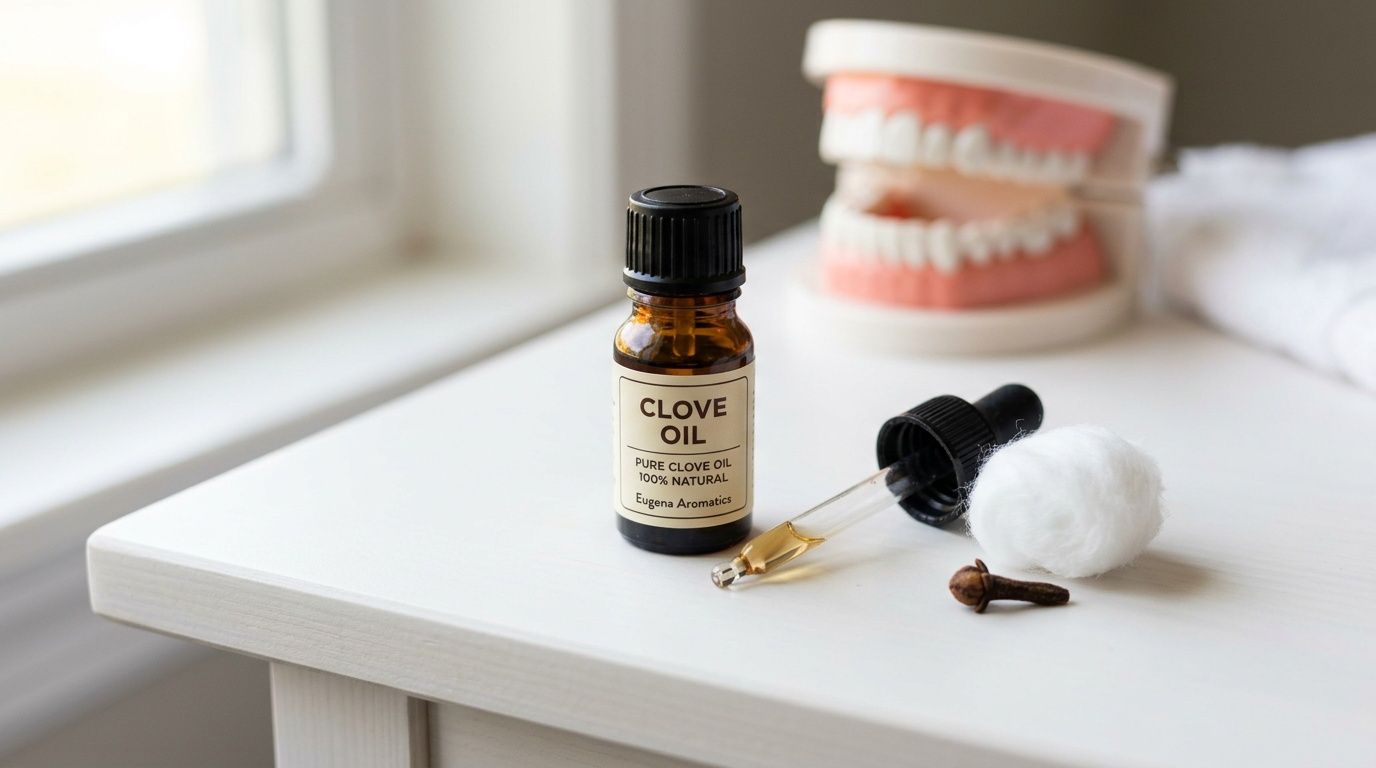
In practice, that means it can temporarily dull pain better than most kitchen remedies. It’s especially helpful when the tooth is sensitive to air or contact and you need a short window of relief before you can be seen.
The safe way to apply clove oil
Clove oil needs dilution. Mix it 1:1 with a carrier oil such as olive oil, place a small amount on a cotton ball, and hold it against the painful area. Short contact is enough. You don’t need to soak the mouth.
That same Healthline review notes that temporary relief often lasts for a limited period, and people should watch for irritation or allergy. If the pain is severe enough that you're wondering whether decay has reached the nerve, this is a good time to learn more about when a tooth may need a root canal.
- Choose food-grade clove oil: Avoid random fragrance or diffuser oils.
- Keep it localized: Apply to the tooth area, not all over the gums.
- Stop if it burns: Some mouths are sensitive to it.
- Treat it as temporary: Relief doesn't mean the cavity is improving.
A busy professional in Huntington Beach might use diluted clove oil before an afternoon meeting. A parent might use a carefully supervised, extra-diluted amount for an older child while arranging pediatric care. It can be useful, but too much can irritate soft tissue, so more isn’t better.
3. Hydrogen Peroxide Rinse
Hydrogen peroxide can help when cavity pain is tied to trapped debris, a bad taste in the mouth, or irritated gum tissue around the tooth. It’s less about numbing and more about cleaning the area in a controlled way.
Use only the standard 3% solution from the pharmacy, and dilute it with equal parts water. Swish gently for 30 to 60 seconds, then spit thoroughly. Never swallow it.
When this remedy helps and when it doesn't
This rinse can be a reasonable short-term choice if the mouth feels unclean or the area around the cavity is inflamed. Some patients like it because the bubbling action helps loosen debris in hard-to-clean spots.
What I don't like is overuse. If someone keeps rinsing with peroxide for days because the tooth still hurts, they’re usually treating symptoms while the cavity keeps progressing.
If a rinse leaves the gums looking whiter, feeling raw, or more irritated, stop using it.
A health-conscious adult might use a diluted peroxide rinse while waiting for an exam, especially if the area has a sour taste or food keeps collecting there. That said, this is not a fix for throbbing nerve pain, a cracked tooth, or a cavity that hurts spontaneously without any chewing.
Keep the routine simple:
- Dilute it first: Equal parts water and 3% hydrogen peroxide.
- Use it briefly: Short-term use is the safer approach.
- Spit completely: This matters.
- Stop if tissue gets irritated: Healthy gums shouldn't feel chemically burned.
If your tooth feels cleaner but still hurts, that’s helpful information. It usually means surface irritation isn’t the whole problem.
4. Garlic Paste or Application
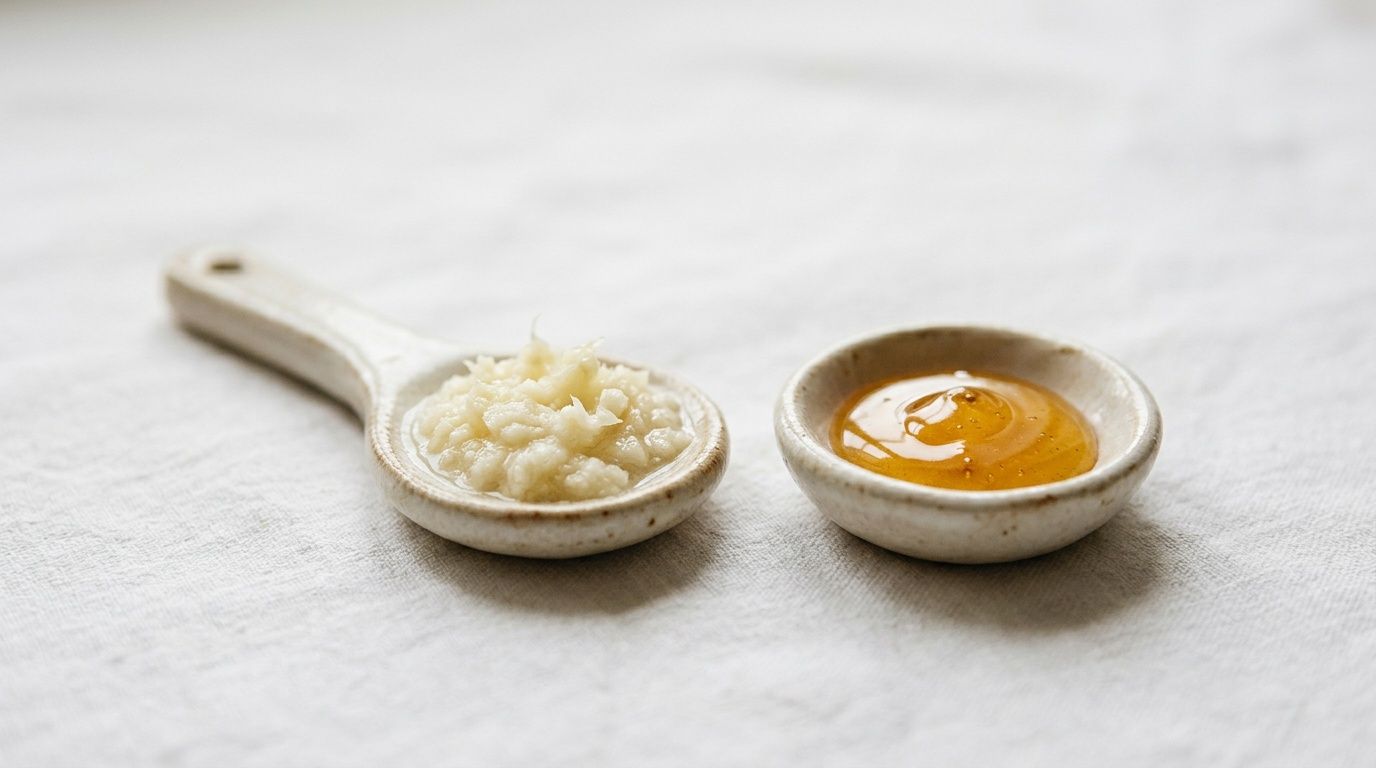
Garlic is one of those remedies that can help a little in the right situation and feel awful in the wrong one. Crushed fresh garlic releases allicin, and that’s why people use it for its antimicrobial effect.
The problem is that raw garlic is strong. On tender gums or a deep cavity, it can sting enough that the remedy feels worse than the toothache.
Use caution with direct application
If you want to try it, crush a small amount of fresh garlic and mix it into a mild paste. Apply a tiny amount to the area for a short period, then rinse well. I would not leave it sitting there for a long time, and I wouldn't use it on a child without checking with a dentist first.
This is the kind of remedy some families reach for because it’s already in the kitchen and feels familiar. For a budget-conscious patient trying to get through the evening, it may offer a little benefit. For someone with inflamed gums, it may just create another problem.
- Use fresh garlic only: Powdered garlic isn’t the same.
- Apply a small amount: A heavy layer can irritate tissue.
- Rinse afterward: Don’t leave residue packed against the tooth.
- Avoid it on badly inflamed gums: The sting can be significant.
If the pain is spreading into the jaw, neck, or ear area, don’t rely on home care alone. This guide on whether to go to the ER or wait for a dentist for a toothache at night can help you judge the next step.
Garlic belongs in the “maybe, carefully” category. It’s not my first pick, but it’s better than putting aspirin on the gum, which can injure tissue and doesn’t treat the source of the pain.
5. Cold Compress or Ice Application
If your cheek feels sore, swollen, or warm, a cold compress is often one of the quickest ways to settle things down. This works from the outside. Don’t press ice directly onto the tooth.
Wrap ice or a cold pack in a soft cloth and hold it against the cheek near the painful area for about 15 minutes. Then give the skin a break before repeating.

Best for swelling and after eating triggers
This remedy helps most when cavity pain flares after chewing, talking a lot, or lying down. It’s also a good option for people who want a drug-free measure while they wait for an appointment.
A working adult might use a reusable gel pack after lunch if the tooth starts throbbing at the office. A parent might hold a wrapped cold pack against a child’s cheek to reduce discomfort on the drive over. Seniors who take several medications often prefer this because it doesn’t add another product to the mix.
Cold on the cheek is helpful. Ice directly on a sensitive tooth usually isn't.
A few pointers keep it comfortable:
- Use a cloth barrier: Direct ice can irritate skin.
- Place it on the cheek: Not inside the mouth.
- Take breaks: Continuous freezing isn't better.
- Notice pain spread: If tooth pain is moving into the jaw or neck, read more about whether a toothache can cause neck pain.
Cold compresses are excellent for symptom control. They do very little for the actual cavity. If the pain returns every time the cold wears off, the tooth still needs treatment.
6. Turmeric Paste Application
Turmeric gets attention because it’s widely used for inflammation in other parts of the body, and some people like having a plant-based option at home. For mouth pain, it’s a mild remedy at best. I’d place it behind saltwater, clove oil, and cold therapy for most cavity situations.
To make a paste, mix a small amount of turmeric powder with water or a gentle carrier like coconut oil until it holds together. Apply it to the sore area briefly, then rinse.
What to expect from turmeric
This is more of a soothing approach than a numbing one. If a cavity is shallow and the nearby gum feels irritated, turmeric may feel calming. If the pain is deep, sharp, or pulsing, relief from this alone will likely be insufficient.
It can still have a place for patients who prefer to start with gentle measures. A young professional with mild discomfort might try it in the evening. A family that already keeps turmeric in the kitchen may use it before bed while waiting for a next-day visit.
A few trade-offs matter:
- It can stain: Teeth, restorations, counters, and clothing can all pick up color.
- Keep the application short: You don’t need to pack it into the cavity.
- Rinse thoroughly: Residue can cling around rough tooth surfaces.
- Use it for mild pain only: Strong pain usually needs a stronger approach.
Some people pair turmeric with warm drinks aimed at inflammation. If you’re interested in broader comfort measures, this guide to anti-inflammatory teas gives a few gentle beverage ideas, though tea itself won’t repair a cavity.
I think of turmeric as optional. It’s reasonable if it feels soothing, but I wouldn’t depend on it when pain is interrupting sleep or chewing.
7. Tea Bag Compress
A tea bag compress is simple and surprisingly practical. Black or green tea can be used warm or cool, depending on what feels better on the tooth and surrounding gum.
Steep the tea bag, let it cool to a comfortable temperature, and place it against the sore area for a short period. Some people prefer a chilled tea bag because cold helps numb the area. Others like a slightly warm compress if the tooth isn’t heat-sensitive.
Why it helps some people
Tea bags are easy to use and less messy than pastes or oils. They can be a good fit for someone at home who wants a gentle measure without mixing anything.
A busy parent might use one after the kids are asleep. A person working from home might refrigerate a tea bag during a break and hold it on the sore side between calls. This remedy is also less likely to irritate the gums than garlic or undiluted oils.
- Let it cool first: Hot tea on a sore tooth can trigger pain.
- Use it once, then discard it: Don’t keep reusing an old tea bag.
- Try cold if the tooth is temperature-sensitive: Cooler often feels better.
- Pay attention to cold sensitivity: If cold causes a quick jolt or lingering pain, this page on what causes tooth sensitivity to cold may sound familiar.
A tea bag compress is a comfort measure, not a treatment. If it works, think of that as buying time, not solving the problem.
Among gentler home remedies for cavity pain, this one is easy to tolerate and low risk. It just tends to be modest in effect, which is why I usually see it as a backup option rather than a primary one.
Cavity Pain: 7-Remedy Comparison
| Remedy | 🔄 Implementation complexity | 💡 Resource requirements | ⚡ Speed / Efficiency | 📊 Expected outcomes | ⭐ Key advantages / Ideal use cases |
|---|---|---|---|---|---|
| Saltwater Rinse | Very low, mix and rinse | Salt, warm water, cup | Quick onset; short-lived relief | Reduces inflammation/bacteria; temporary pain relief | Safe, inexpensive, suitable for all ages; good interim hygiene measure |
| Clove Oil Application | Low–medium, dilute and apply carefully | Food‑grade clove oil, carrier oil, cotton | Fast (5–15 min); relief lasts 1–3 hrs | Topical analgesic and antiseptic; temporary numbness | Potent natural pain relief; rapid effect; useful between appointments (use cautiously for kids) |
| Hydrogen Peroxide Rinse | Low–medium, must dilute properly | 3% H2O2, water, cup | Moderate; visible cleansing action | Strong antimicrobial; dislodges debris; reduces infection risk | Effective antibacterial adjunct; inexpensive; professional‑adjacent use (dilute and avoid overuse) |
| Garlic Paste Application | Low, crush and apply; can be messy | Fresh garlic, applicator, optional honey/salt | Moderate onset; may provide several hours' benefit | Antimicrobial and anti‑inflammatory; may slow progression temporarily | Addresses bacteria and pain naturally; very inexpensive; odor and irritation possible |
| Cold Compress / Ice | Very low, external application | Ice or gel pack, cloth barrier | Immediate (seconds); short duration per application | Numbs pain; reduces swelling and throbbing | Fastest non‑pharmacologic relief; safe for all ages; ideal for acute sharp pain |
| Turmeric Paste Application | Low–medium, prepare paste, avoid staining | Turmeric powder, coconut oil or honey, applicator | Slower onset; repeated use improves effect | Anti‑inflammatory and antimicrobial; supports tissue healing | Broad anti‑inflammatory benefits; research‑backed; good for ongoing inflammation (may stain) |
| Tea Bag Compress (Black/Green) | Low, steep then apply warm or cold | Black/green tea bags, hot water, cooling option | Moderate; 15–30 min per application | Tannins/polyphenols reduce inflammation; mild antimicrobial | Dual chemical + temperature therapy; gentle and adaptable for all ages |
Final Thoughts
A cavity that starts nagging at 10 p.m. changes the whole night. Home remedies can settle things down enough to let you sleep, eat carefully, or get through the workday. They do not treat the decay itself.
From the chairside perspective, the best temporary measures are the ones that reduce pain without irritating the tooth or gums further. Saltwater is a safe first step for many people. A cold compress helps fast when the area feels swollen or throbbing. Clove oil may calm a sharp toothache if it is diluted and used sparingly. Hydrogen peroxide has a place for short-term rinsing when it is properly diluted. Tea bags and turmeric tend to be gentler. Garlic can help some people, but I advise more caution with it because raw garlic can burn already inflamed tissue.
The main trade-off is simple. Stronger DIY approaches often bring a higher risk of irritation. That is why direct aspirin on the gums, undiluted essential oils, and very hot rinses are poor choices. Less pain also does not mean the cavity is healing. It usually means the nerve is less irritated for the moment.
A manageable toothache usually stays localized, settles somewhat with rinsing or cold, and does not come with visible swelling. The situation needs prompt dental care if the pain keeps returning, wakes you up, spreads into the jaw, comes with swelling, or leaves a bad taste or drainage in the mouth. Those are practical signs that the problem has likely moved beyond a simple irritated cavity.
Dr. Kalvin approaches these visits in a calm, step-by-step way. The goal is to find the source, explain what is happening in plain language, and choose the smallest treatment that will solve the problem well. For many patients, that means an exam, X-rays if needed, and a clear discussion of whether the tooth needs a filling, more extensive repair, or urgent treatment.
Use home remedies as a short bridge to proper care. They can make the time before your appointment easier. They should not become the plan.
If cavity pain is lingering, Kali Dental is here to help with a personalized dental experience and stress-free visits for patients in Huntington Beach and nearby Orange County communities. Call (657) 800-5254 or visit us at 19201 Brookhurst Street, Suite 103, Huntington Beach, CA. Office hours are Monday through Friday 9:00 AM to 6:00 PM and Saturday 8:00 AM to 2:00 PM.