
As fall and winter roll into Huntington Beach, bringing the peak of flu season, local families focus on staying healthy. While hand sanitizer and immune boosters are popular, one of your strongest defenses against illness is often overlooked: your oral health.
The connection between a healthy smile and a strong immune system is more significant than you might realize. Your mouth is a primary entry point for viruses and bacteria, and poor oral hygiene can weaken your body's ability to fight off infections. Fighting germs truly starts with your smile, and this is especially true during high-risk months.
This guide provides practical oral health tips for flu season in Huntington Beach, designed to protect your entire family. From simple daily habits to professional care, these strategies can turn your mouth from a gateway for germs into a well-defended fortress.
1. Brush Twice Daily with Fluoride Toothpaste
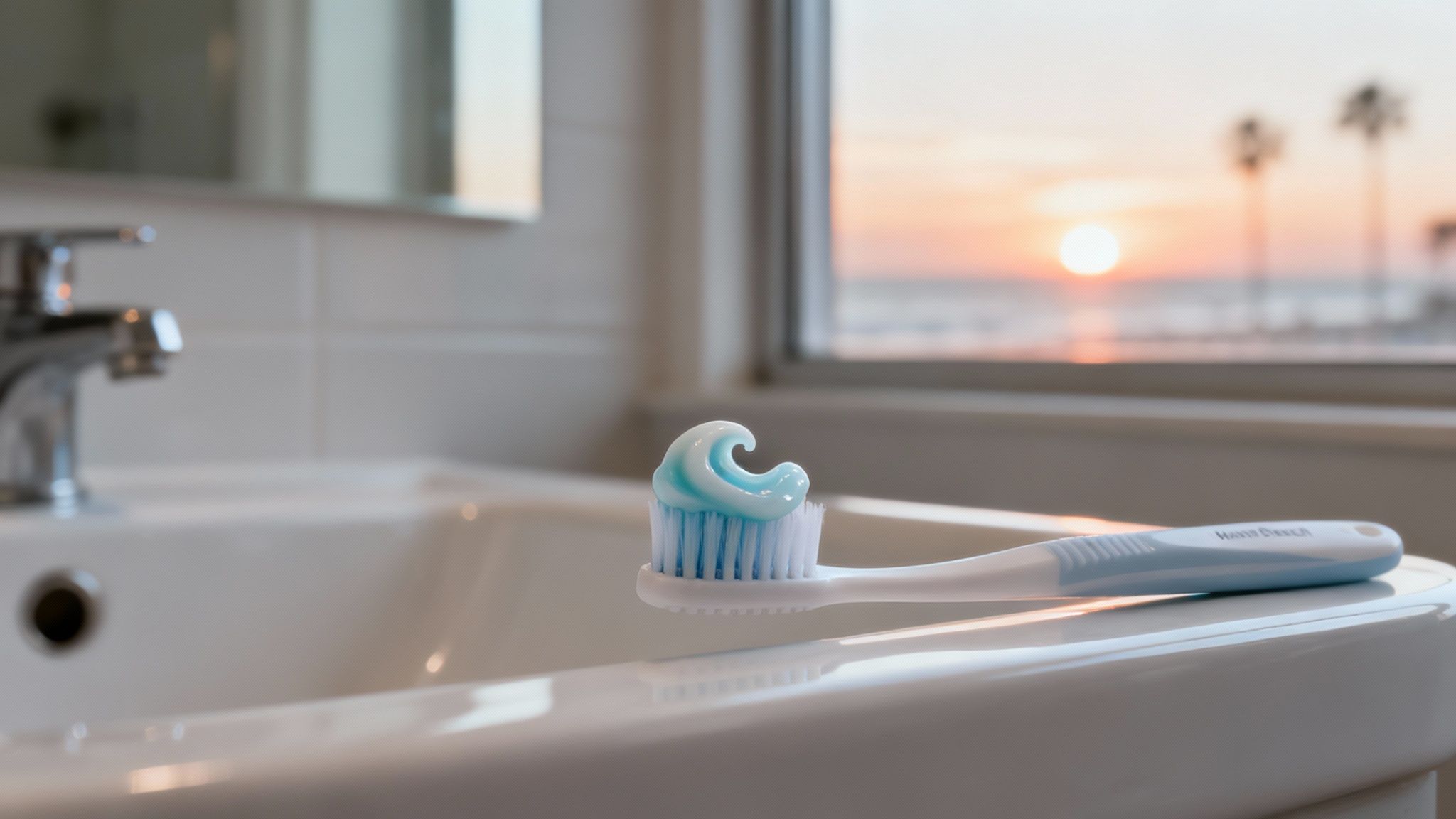
Brushing your teeth twice a day for two minutes isn't just about preventing cavities; it’s a key practice for overall wellness. During flu season in Huntington Beach, this simple habit becomes a crucial line of defense against germs.
A healthy mouth is less hospitable to harmful pathogens. Regular brushing removes plaque—a sticky film of bacteria—which reduces inflammation and frees up your immune system to focus on fighting viruses like influenza.
How to Maximize Your Brushing Routine
To get the most out of this daily ritual, your technique matters. The American Dental Association (ADA) provides clear guidelines for effective brushing.
- Angle is Everything: Hold your toothbrush at a 45-degree angle to the gums and use gentle, short strokes to clean the tooth surface and below the gumline.
- Use the Right Tool: A soft-bristled toothbrush is essential to avoid damaging your enamel or irritating your gums.
- Don't Over-Rinse: After brushing, spit out the excess toothpaste but avoid rinsing aggressively with water. This leaves a thin layer of fluoride on your teeth to continue strengthening them.
This twice-daily commitment is a powerful tool in your arsenal. For expert guidance on your home care routine, schedule your professional dental cleanings and exams in Huntington Beach.
2. Daily Flossing to Remove Interproximal Bacteria
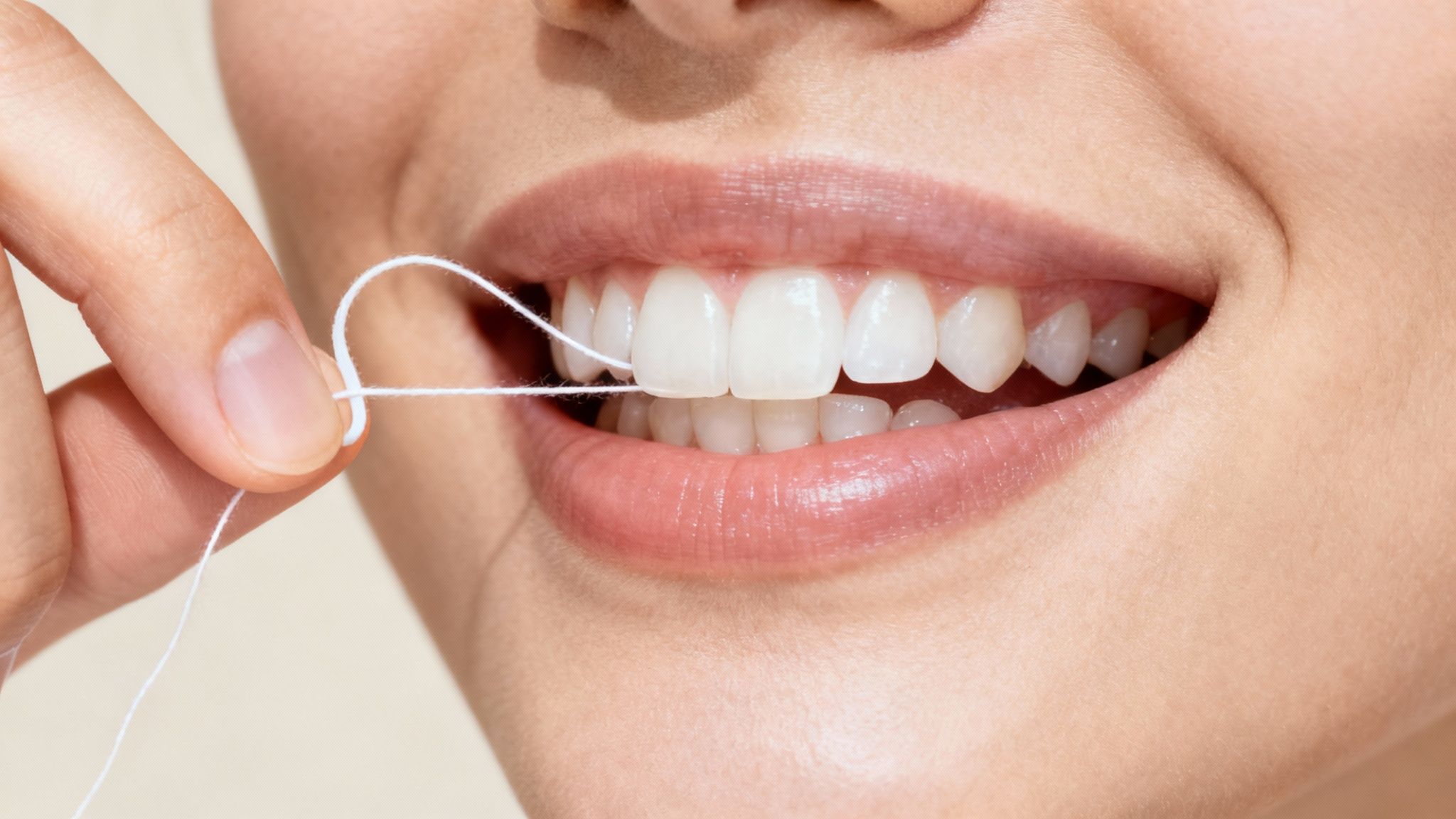
While brushing is essential, it can’t reach every surface of your teeth. Daily flossing targets the food particles and plaque buildup between your teeth and under the gum line, where bacteria thrive.
These areas can become breeding grounds for germs that cause inflammation and weaken your immune system. Flossing disrupts these bacterial colonies, reducing gum inflammation (gingivitis) and helping your body conserve its resources to fight off viruses.
How to Maximize Your Flossing Routine
A consistent and correct flossing technique is more important than the specific tool you use. The goal is to thoroughly clean the sides of each tooth.
- Proper Length and Grip: Use about 18 inches of floss. Wrap most of it around one middle finger and a small amount around the other, using your thumbs and index fingers to guide it.
- Gentle and Thorough: Guide the floss gently between your teeth. Curve it into a "C" shape against one tooth and slide it beneath the gum line until you feel resistance.
- Explore Your Options: If traditional floss is difficult, consider interdental brushes or a water flosser. They are excellent alternatives for those with braces or dental implants.
This daily habit directly supports your body’s defenses by minimizing oral bacteria and inflammation.
3. Maintain Proper Hydration and Oral Moisture
Staying well-hydrated is a cornerstone of overall health, and it’s especially important for your mouth. Proper hydration is essential for producing enough saliva, which acts as your mouth’s first line of defense against germs.
Saliva contains powerful enzymes that neutralize and wash away bacteria and viruses. When your mouth becomes dry, this natural cleansing mechanism is compromised, creating an environment where harmful microbes can thrive.

How to Maximize Your Hydration for Oral Health
Keeping your mouth moist is a simple yet effective strategy to support your immune system. Here are practical ways to ensure you stay hydrated.
- Sip Water Consistently: Carry a reusable water bottle throughout your day. Sipping water helps rinse away food particles and neutralize harmful acids.
- Limit Dehydrating Drinks: Reduce your intake of caffeine and alcohol, as both can contribute to a dry mouth.
- Stimulate Saliva Production: Chewing sugar-free gum with xylitol is an excellent way to encourage saliva flow.
By supporting your body's natural defenses, you create a stronger barrier against seasonal illnesses.
4. Use Antimicrobial Mouthwash During High-Risk Periods
While brushing and flossing are non-negotiable, adding an antimicrobial mouthwash offers another layer of defense during peak flu season. This rinse can significantly reduce the bacterial and viral load in your entire oral cavity.
Therapeutic mouthwashes contain active ingredients designed to kill or inhibit germs. By decreasing the overall pathogen count, you lower the risk of germs taking hold and support your immune system's front line.
How to Maximize Your Rinsing Routine
To ensure your mouthwash is effective, it’s about more than just a quick swish. Following the right technique helps you get the full protective benefits.
- Choose the Right Formula: Look for over-the-counter rinses with CPC or essential oils. Your dentist may prescribe a stronger rinse for specific needs.
- Time it Right: Swish vigorously for 30 to 60 seconds as directed on the label to allow the active ingredients to work.
- Consider Alcohol-Free: Many effective mouthwashes are available in alcohol-free versions, which are excellent for preventing dry mouth.
This simple addition to your routine provides a powerful boost to your oral health, especially when you're more exposed to seasonal illnesses.
5. Avoid Touching Your Face and Mouth During Flu Season
While vigilant oral hygiene manages the germs already in your mouth, preventing new ones from entering is equally critical. Respiratory viruses like influenza primarily spread through hand-to-face contact.
During flu season in Huntington Beach, consciously avoiding touching your face is a powerful habit. This simple action complements your oral hygiene routine by reducing the transfer of germs from surfaces to your mouth.
How to Break the Habit of Face-Touching
Building awareness is the first step to changing this unconscious behavior. Here are a few tips to help.
- Practice Mindful Awareness: Actively notice when your hands move toward your face. The simple act of observing the habit can help you control it.
- Keep Your Hands Busy: Use a stress ball or simply fold your hands in your lap during meetings to keep them occupied.
- Focus on Hand Hygiene: Frequent and thorough handwashing is your best defense. For more information, read about proper hand hygiene techniques.
Integrating these behavioral changes helps protect your entire family. To learn how a consistent provider can help establish healthy habits, discover the benefits of choosing a family dentist in Huntington Beach.
6. Replace Your Toothbrush Regularly
Your toothbrush is an essential tool, but it can quickly become a breeding ground for germs. Bacteria and viruses can accumulate on the bristles, turning a cleaning tool into a source of potential reinfection.
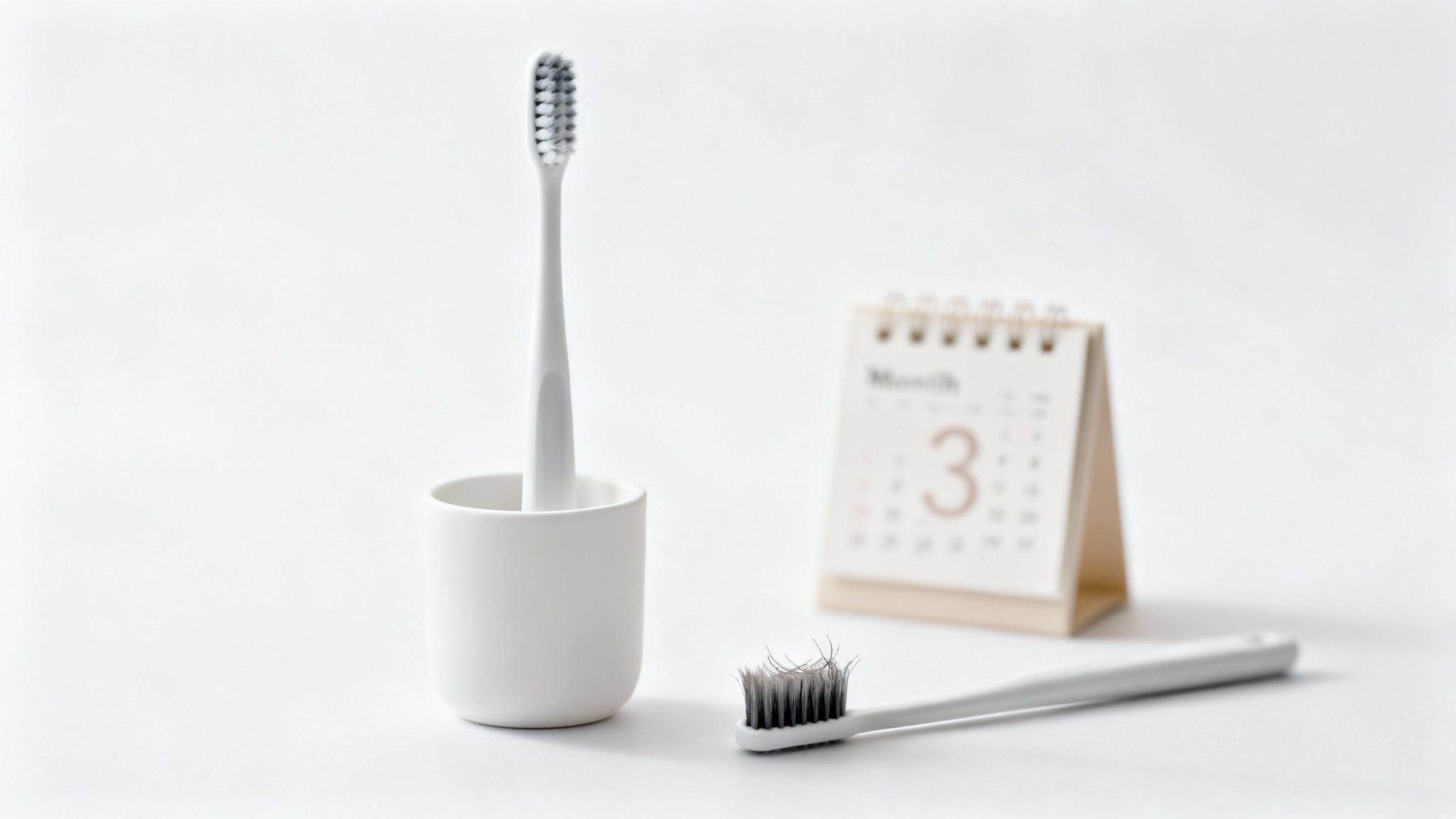
The American Dental Association (ADA) recommends replacing your toothbrush every three to four months. However, after recovering from an illness like the flu, it's wise to replace it immediately to prevent reinfecting yourself.
How to Maximize Your Tool Hygiene
Properly caring for and replacing your toothbrush is a simple yet powerful habit. A clean brush ensures you are removing bacteria, not adding more.
- Replace After Illness: This is the most crucial rule during flu season. Once you've recovered, discard your old toothbrush immediately.
- Store It Properly: Store your toothbrush upright in an open-air holder to allow it to dry completely between uses.
- Prevent Cross-Contamination: Keep family members’ toothbrushes stored separately to prevent the transfer of germs.
For recommendations on effective and safe oral care tools, explore our guide to dentist-approved dental products.
7. Boost Your Immune System with Good Nutrition
What you eat directly impacts your body’s ability to fight off infections. A nutrient-rich diet strengthens your immune system, making your mouth and body more resilient during flu season in Huntington Beach.
Consuming specific vitamins and minerals can reduce inflammation and support gum health. A healthy diet helps fortify your body's natural defenses against viral and bacterial invaders.
How to Maximize Your Nutritional Defense
Incorporating key nutrients into your daily routine is a practical way to enhance your oral and systemic immunity.
- Focus on Immune-Boosting Vitamins: Increase your intake of vitamin C (citrus fruits, berries), vitamin D, and zinc.
- Support Your Oral Microbiome: Consider oral-specific probiotics containing Lactobacillus strains to help crowd out harmful bacteria.
- Incorporate Xylitol: Chewing xylitol-based gum can reduce cavity-causing bacteria by starving them of their food source.
Beyond oral-specific methods, there are broader proven ways to boost your immune system naturally. To better understand the deep connection between your mouth and overall wellness, learn more about the surprising health impacts of oral care.
Frequently Asked Questions (FAQs)
1. Can poor oral health really make me more likely to get the flu?
Yes, it can. Poor oral hygiene leads to inflammation and a higher bacterial load in your mouth, which can tax your immune system. A weakened immune system may have a harder time fighting off viruses like the flu.
2. Should I brush my teeth more often if I feel a cold coming on?
While sticking to your twice-daily routine is most important, you might consider an extra rinse with an antimicrobial mouthwash. The key is consistency and replacing your toothbrush once you feel better to avoid reinfection.
3. Is it safe to visit the dentist in Huntington Beach during flu season?
Absolutely. Dental offices like Kali Dental follow strict infection control protocols year-round to ensure patient safety. Postponing necessary care can lead to bigger problems, so it’s best to keep your scheduled appointments.
4. What's the single most important tip for my kids during flu season?
For children, reinforcing the habit of not touching their face and mouth is crucial, along with consistent twice-daily brushing. Making it a fun game can help them remember and build healthy habits that protect them.
5. Does using a mouthwash replace brushing or flossing?
No, mouthwash is a supplement, not a replacement. Brushing and flossing physically remove plaque and food debris from your teeth. Mouthwash helps kill germs in hard-to-reach areas but can't replace the mechanical cleaning of a brush and floss.
Protect Your Smile and Your Health This Flu Season
As we navigate flu season in Huntington Beach, it's clear that our daily habits play a huge role in keeping our families healthy. Proactive care is always more effective than reactive treatment.
Don’t wait until you feel sick to prioritize your oral health. A quick dental checkup and professional cleaning can reduce your risk of infection, improve your comfort, and set the tone for a healthier season.
Protect your smile—and your immune system—this flu season. Schedule a visit with Dr. Kalvin at Kali Dental and stay ahead of seasonal illness with preventive care that supports your whole-body health.