
Quick Answer
Bicuspid teeth, also called premolars, are the eight permanent teeth between your canines and molars. They usually come in during adolescence and help you do two jobs at once: tear food like the front teeth and start grinding it like the back teeth. They’re important for chewing, bite balance, and many orthodontic decisions.
If you’ve ever looked in the mirror and wondered what those “middle” teeth are called, you’re not alone. Patients ask me this all the time, especially when a child is getting new adult teeth or when an orthodontist mentions removing a premolar. If you’re searching what are bicuspid teeth, the short answer is simple. They’re the in-between teeth that do more work than is commonly appreciated.
Locating Your Bicuspids The Teeth in the Middle
Bicuspids sit in the middle of your dental lineup. If you think of your mouth like a map, your front teeth are for cutting, your pointed canines are for tearing, and your molars in the back are for grinding. Bicuspids connect those jobs.
They’re also called premolars, which means they come right before the molars. In humans, there are eight bicuspids total, with two in each quadrant of the mouth and they typically erupt between ages 10 and 12, replacing primary molars as part of normal development (Ivanov Orthodontics).

Why they’re called bicuspids
The name sounds technical, but it’s straightforward. “Bi” means two, and “cuspid” refers to points or peaks on the biting surface. Most bicuspids have two cusps, which is why they look a little sharper than molars but broader than canines.
That shape matters. A bicuspid isn’t built for one single task. It’s more like a versatile player on a team.
Practical rule: If a tooth is behind your canine but in front of your molars, you’re usually looking at a premolar.
How to find them in your own mouth
Run your tongue from the front teeth backward. First you’ll feel the flat incisors, then the pointed canine, then the bicuspids, and finally the larger molars.
That “middle zone” is where a lot of chewing work begins. It’s also where parents often notice new adult teeth coming in and ask whether everything is erupting on schedule.
Good home care matters as soon as these teeth appear. If you want a simple overview of prevention, this guide to preventive dental care in Huntington Beach is a useful place to start.
The Unique Chewing and Tearing Job of Your Premolars
Bicuspids do something clever. They combine features of the teeth in front of them and behind them. Their pointed areas help with tearing, while their broader chewing surface starts crushing food before it reaches the molars.
That’s why I often describe them as the transition teeth. They’re not as narrow and sharp as canines, and they’re not as wide and flat as molars. They handle the handoff.
Why this shape matters
When you bite into something like an apple slice, sandwich, or grilled chicken, different teeth take turns. The incisors cut. The canines grip and tear. Then the bicuspids step in and begin breaking food down into smaller, manageable pieces.
This design also helps spread chewing pressure across the bite. A balanced bite matters because it helps neighboring teeth work together instead of overloading one spot.
Your premolars are the “middle managers” of chewing. They take food from the front of the mouth and prepare it for the heavy grinding work in the back.
Your teeth at a glance
| Tooth Type | Location | Primary Function |
|---|---|---|
| Incisors | Front of the mouth | Cutting food |
| Canines | Next to incisors | Tearing and gripping |
| Bicuspids | Between canines and molars | Tearing and beginning to crush food |
| Molars | Back of the mouth | Grinding food thoroughly |
Because bicuspids sit in that transition zone, they can become important if one is badly damaged or lost. In some cases, replacing a missing tooth helps keep the bite from shifting. If you’re trying to understand replacement options generally, this overview of dental implants explains one common approach.
Common Issues That Affect Bicuspid Teeth
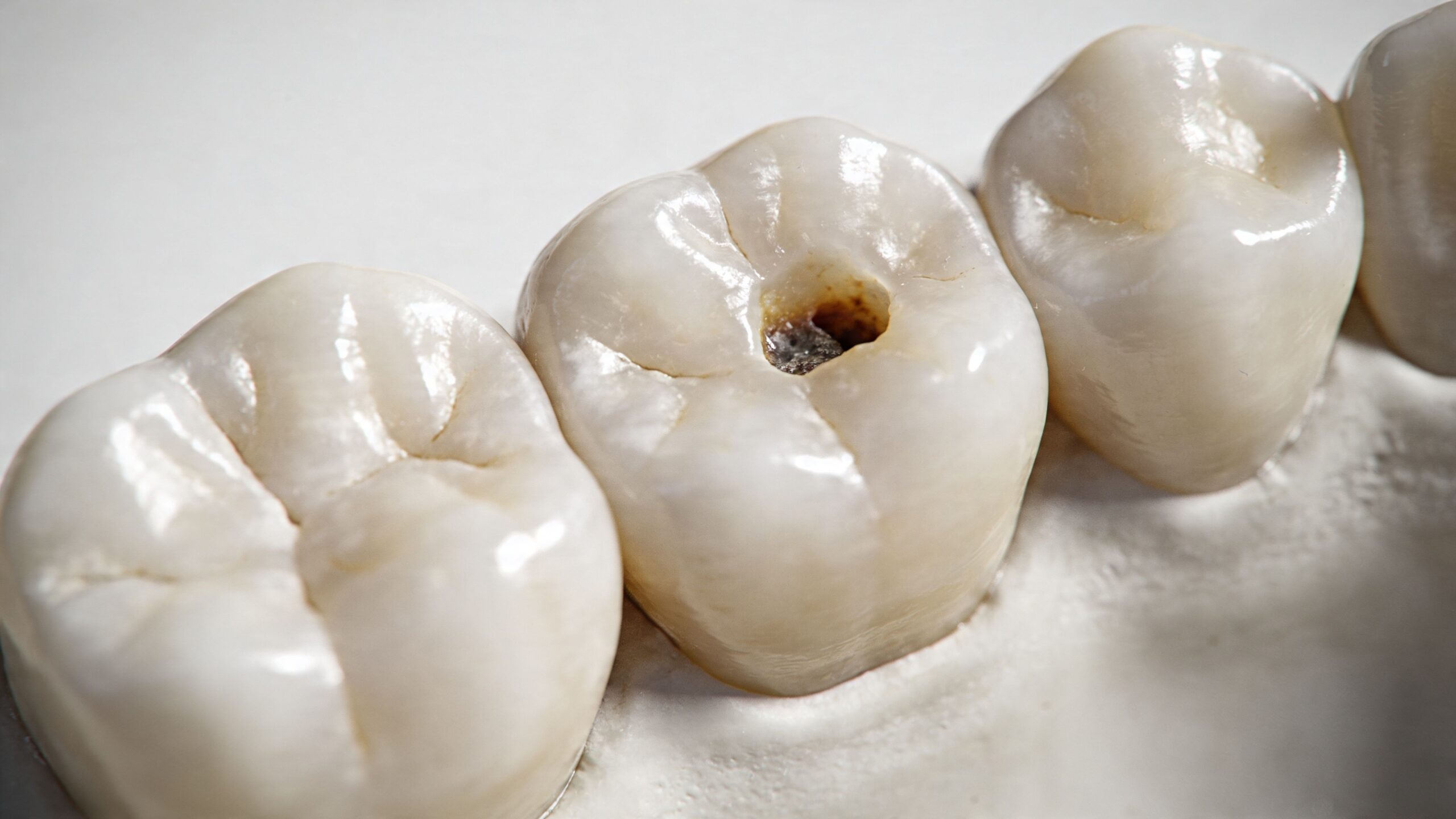
Bicuspids are useful teeth, but they can also be vulnerable. Their chewing surfaces often have grooves and fissures that hold onto plaque and food debris more easily than smoother teeth do. That makes them common spots for cavities, especially soon after they erupt.
Applying sealants to bicuspids and molars can reduce decay risk in those deep grooves by nearly 80% (DentalBens). That’s one reason dentists pay close attention to premolars in kids, teens, and cavity-prone adults.
Problems we often see in premolars
- Cavities in the grooves because food and plaque can settle into the chewing surface
- Cracks or chips from chewing hard foods or grinding
- Sensitivity if enamel wears down or a cavity develops
- Deeper infection if decay reaches the nerve inside the tooth
A small problem in a bicuspid can often be treated with a tooth-colored filling. If the tooth has more extensive damage, a crown may be the better way to protect it and restore how it bites.
When decay reaches the inside of the tooth
Sometimes decay doesn’t stay on the surface. If it gets into the pulp, the tooth may become painful, sensitive, or infected. At that point, the goal shifts from prevention to saving the tooth if possible.
If you’re wondering how dentists decide that, this page on whether you need a root canal in Huntington Beach gives a plain-language explanation of the signs we look for.
One good habit: Premolars deserve extra brushing attention because their grooves can hide buildup even when the tooth looks fine at a quick glance.
Why Premolars Are So Important in Orthodontics
Many families often get confused. They understand what bicuspids are, but then they hear that an orthodontist may want to remove one or more of them. That sounds strange at first, because these are normal permanent teeth.
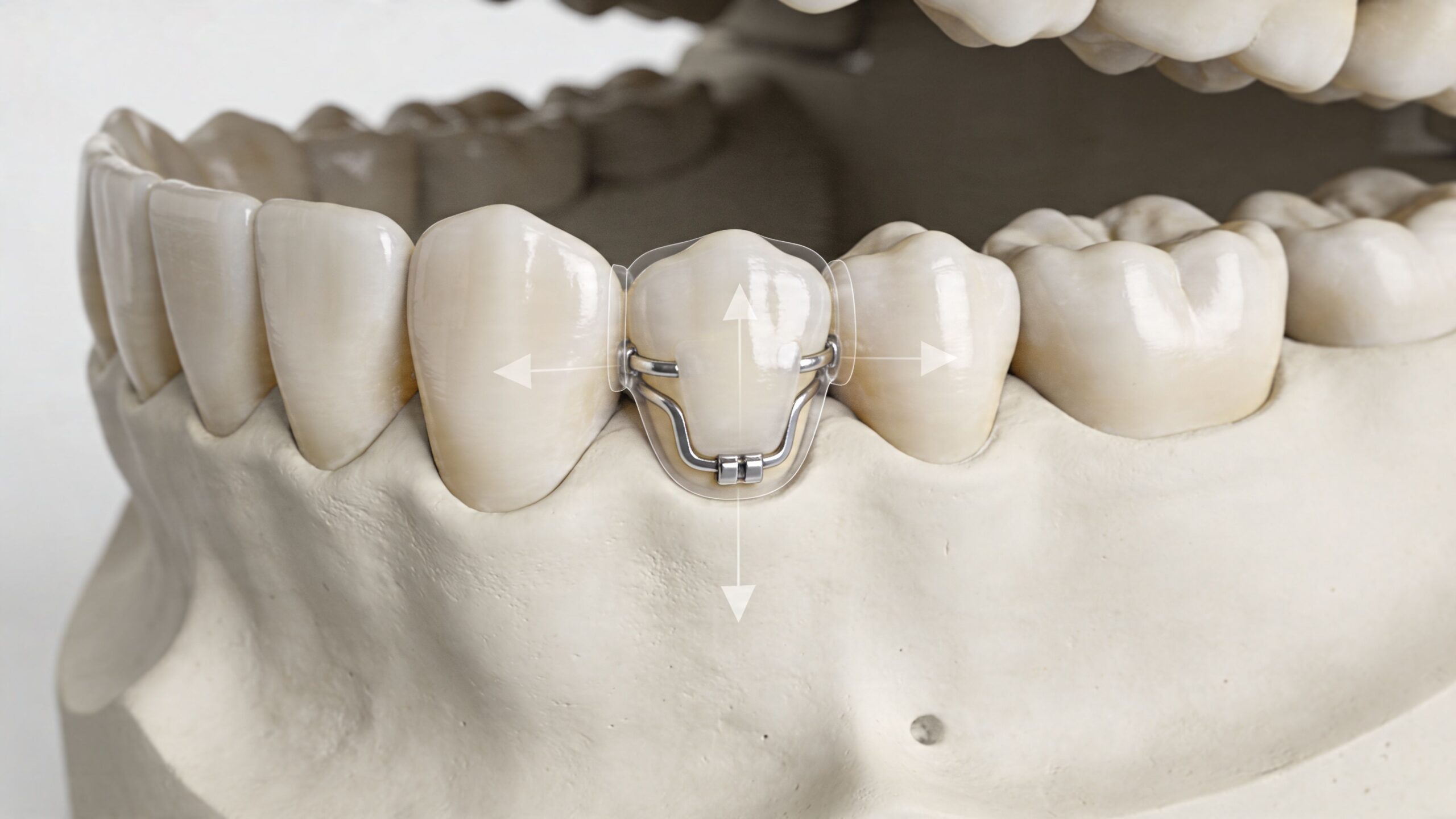
The reason usually comes down to space. In orthodontics, bicuspid extraction is considered in up to 25% to 30% of cases to address severe crowding and create room to align teeth properly, while still requiring careful discussion about bite function and facial aesthetics (Finest Dentistry).
Why bicuspids are often the teeth discussed
Premolars sit in a spot that can make them strategically important in treatment planning. If a mouth is crowded, removing a premolar may create the space needed to move other teeth into healthier positions.
That doesn’t mean extraction is automatic. It means the tooth’s location gives orthodontists options when they’re trying to correct crowding, bite relationships, and alignment.
Questions parents should ask
If your child’s orthodontist brings up premolar extraction, ask clear questions:
- Why this tooth: What problem is the extraction meant to solve?
- What are the alternatives: Could expansion or another approach work?
- How will this affect the bite: What’s the long-term goal for function?
- What imaging was used: Was the treatment plan based on a thorough evaluation?
Those questions matter because orthodontic decisions are about more than straight teeth. They affect how the teeth fit together, how the smile looks, and how stable the result may be over time.
If you’re comparing alignment options more broadly, this discussion of Invisalign vs. traditional braces can help you understand the bigger picture.
How We Care for Your Bicuspids in Huntington Beach
Good bicuspid care usually isn’t complicated. The key is catching problems early and protecting these teeth when they first erupt. That starts with routine exams, digital X-rays when needed, and a close look at the grooves on the chewing surface.
For children and teens, sealants can be a practical way to protect newly erupted premolars. For adults, the focus is often on monitoring wear, checking older fillings, and treating small problems before they turn into fractures or deeper infections.
What that care may include
- Cleanings and exams to watch eruption, decay, and bite changes
- Digital X-rays and diagnostics when a cavity, crack, or infection isn’t visible from the outside
- Tooth-colored fillings for smaller areas of decay
- Same-day crowns when a premolar needs stronger coverage and support
Comfort matters too. People put off treatment when they expect a lecture or a stressful visit. A calm explanation and a clear plan usually make these appointments much easier than patients expect.
Clean premolars are easier to keep healthy than repaired premolars. Prevention is usually the simpler path.
Patients also ask how dental offices keep care safe and consistent. If you’re curious about the bigger picture behind cleanliness and infection control, Hygiene Protocols Every Dental Clinic Owner Should Know offers a practical outside look at why those systems matter.
If you want to see the full range of care available for prevention and repair, you can review these dental services.
Frequently Asked Questions About Bicuspid Teeth
Are bicuspids the same as premolars?
Yes. Dentists use both words to describe the same teeth. “Premolar” describes where the tooth sits, and “bicuspid” refers to its usual two-pointed chewing surface.
When do bicuspid teeth come in?
They typically erupt during adolescence. A common timing given for eruption is between ages 10 and 12, when they replace the primary molars.
Why would a dentist or orthodontist want to remove a bicuspid?
Usually, it’s about creating space when teeth are crowded. In orthodontic planning, a premolar may be chosen because of its position in the arch and how that space can help align other teeth.
Do bicuspids get cavities easily?
They can. Their chewing surfaces often have grooves that trap plaque and food, which is why sealants and careful brushing are often recommended after they erupt.
If a bicuspid hurts, does that mean I need a root canal?
Not always. Pain can come from a cavity, a crack, bite pressure, or sensitivity. A dentist needs to examine the tooth and often take an X-ray to figure out whether the nerve is involved.
Is treatment on a bicuspid painful?
Most routine treatment is very manageable with local numbing. Patients usually feel pressure more than pain, and clear communication during the visit goes a long way toward making it a stress-free experience.
Will insurance help cover a filling or crown on a premolar?
That depends on your plan. The best approach is to have the office check your benefits and explain any expected out-of-pocket costs before treatment, so there aren’t surprises.
Schedule Your Visit at Kali Dental
If you still have questions about what are bicuspid teeth, or you want someone to take a careful look at a premolar that’s bothering you, Dr. Kalvin and the team are here to help with family-friendly dental care in Huntington Beach. For patients who like to understand paperwork before an appointment, these HIPAA-compliant medical forms templates give helpful context on how health forms are typically organized.
Sources
Ivanov Orthodontics. "What Is a Bicuspid Tooth?" URL: https://ivanovortho.com/what-is-a-bicuspid-tooth/
DentalBens. "What Are Bicuspid Teeth." URL: https://www.dentalbens.com/dental-blog/what-are-bicuspid-teeth
Finest Dentistry. "Bicuspid." URL: https://www.finestdentistry.com/glossary/bicuspid/
If you'd like a simple, no-pressure evaluation, Kali Dental is here for you. Call (657) 800-5254, visit us at 19201 Brookhurst Street, Suite 103, Huntington Beach, CA, or learn more at kalidental.com. We’re open Monday through Friday from 9:00 AM to 6:00 PM and Saturday from 8:00 AM to 2:00 PM.